Wholesale Saffron Price Per Kg: What Affects the Cost
Introduction
Saffron is widely known as the most expensive spice in the world. Its vibrant color, unique aroma, and powerful flavor make it a prized ingredient in culinary traditions across the globe. However, the price of saffron—especially when purchased in bulk—can vary significantly depending on several factors. Businesses, wholesalers, and distributors often search for reliable information about wholesale saffron price per kg in order to make informed purchasing decisions.
Understanding what determines saffron pricing is essential for importers, spice traders, food manufacturers, and retailers. From cultivation conditions to labor costs and grading standards, many elements contribute to the final price of saffron in the wholesale market.
This article explores the key factors that influence wholesale saffron price per kilogram and explains how buyers can evaluate quality, origin, and supply chain conditions when purchasing saffron in bulk.
What Is Saffron and Why Is It So Expensive?
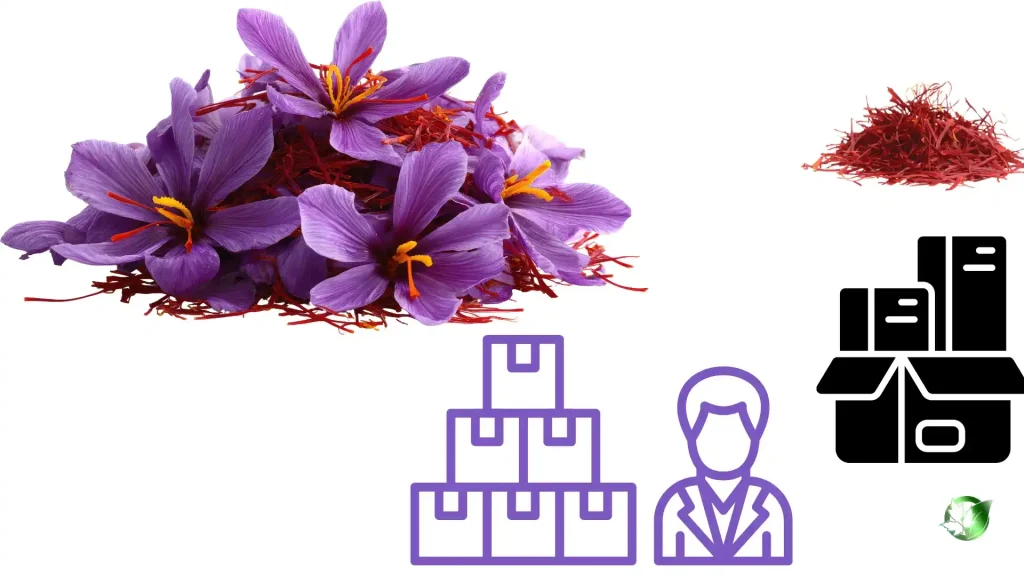
Saffron comes from the flower of Crocus sativus, commonly known as the saffron crocus. Each flower produces only three delicate red stigmas, which are carefully harvested by hand. These stigmas are dried to produce the spice known as saffron.
The main reason saffron is expensive lies in the labor-intensive harvesting process. Farmers must handpick thousands of flowers during a short harvesting season. It takes approximately 150,000 to 200,000 flowers to produce one kilogram of dried saffron. Because machines cannot perform this delicate work, labor costs significantly influence saffron pricing.
In addition to labor, factors such as cultivation conditions, processing quality, and global demand also affect the wholesale price per kilogram.
Average Wholesale Saffron Price Per Kg
The wholesale saffron price per kg can vary depending on quality grade, origin, and market conditions. In general, saffron prices in bulk markets can range from approximately $800 to over $5,000 per kilogram.
Lower-grade saffron used for food coloring or industrial applications typically sells at the lower end of the price range. Premium saffron, known for its strong aroma and deep red color, can reach the higher end of the spectrum.
Wholesale buyers often purchase saffron in packaging sizes ranging from 250 grams to multiple kilograms. The larger the order, the more favorable the pricing tends to be.
Major Factors Affecting Wholesale Saffron Price
Quality Grade
Quality grade is one of the most important factors affecting saffron prices. Saffron is categorized into several grades depending on the concentration of coloring strength (crocin), aroma (safranal), and flavor (picrocrocin).
Premium saffron contains only the red stigmas without yellow or white parts. This type of saffron offers stronger color and aroma, making it highly desirable in international markets.
Common saffron grades include:
- Super Negin
- Negin
- Sargol
- Pushal
- Bunch or Daste
Super Negin and Negin saffron are considered the highest quality and therefore command higher wholesale prices.
Country of Origin
The country where saffron is grown plays a significant role in determining its price and reputation in the market. Some regions are famous for producing higher quality saffron due to climate, soil conditions, and traditional farming techniques.
Major saffron-producing countries include:
Iran
Spain
India
Afghanistan
Greece
Morocco
Iran produces more than 85 percent of the world’s saffron supply and is known for offering competitive prices in the global wholesale market. Spanish saffron, although produced in smaller quantities, is often marketed as a premium product and may be sold at higher prices.
The origin of saffron affects not only the price but also consumer perception and branding.
Harvesting and Labor Costs
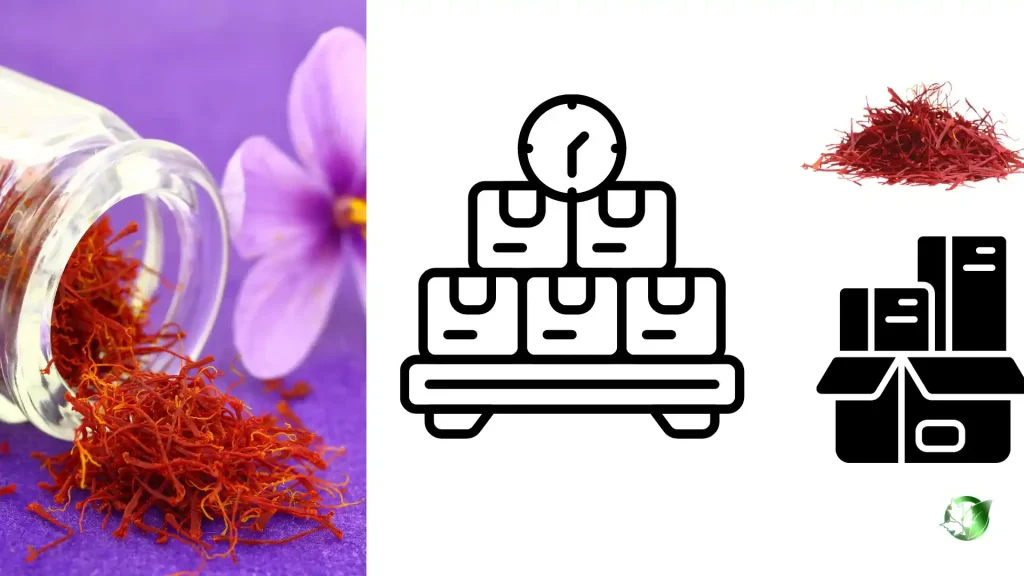
Saffron harvesting requires extremely careful manual labor. Workers must pick flowers early in the morning before they wilt. After harvesting, the stigmas must be separated from the flowers by hand.
This entire process requires skilled labor and significant time. Regions with higher labor costs tend to produce more expensive saffron.
In many saffron-producing regions, harvesting takes place within a short period of only two to three weeks each year. This limited window adds pressure on farmers and further increases production costs.
Yield Per Harvest
The yield of saffron flowers per hectare can vary widely depending on environmental conditions and farming practices. Factors that influence yield include:
Soil fertility
Irrigation availability
Weather conditions
Farming experience
Plant disease control
A poor harvest due to drought, frost, or pests can reduce saffron supply and drive prices higher in the wholesale market.
Conversely, a year with abundant harvest may lead to lower prices due to increased supply.
Processing and Drying Methods
After harvesting, saffron stigmas must be carefully dried to preserve their flavor and coloring properties. Different drying techniques can impact both the quality and shelf life of saffron.
Traditional drying methods involve low heat and controlled ventilation. If saffron is dried too quickly or at high temperatures, its chemical compounds may degrade, reducing quality and market value.
High-quality saffron processing ensures the stigmas remain intact, vibrant red, and aromatic. Wholesalers often pay higher prices for saffron that has been processed under strict quality control.
Packaging Standards
Packaging also plays a role in wholesale saffron pricing. High-quality saffron is often packaged in airtight containers that protect it from light, moisture, and oxygen.
Bulk saffron may be packed in metal tins, glass containers, or vacuum-sealed bags. Proper packaging helps maintain freshness during transportation and storage.
Export-grade packaging can increase costs but is essential for preserving product quality in international trade.
Global Supply and Demand
Like many agricultural commodities, saffron prices fluctuate based on supply and demand in global markets.
If demand rises in major importing countries such as the United States, China, India, and European nations, wholesale prices may increase. Demand is driven by industries such as:
Food manufacturing
Restaurants and hospitality
Pharmaceutical products
Cosmetics and skincare
Traditional medicine
When supply becomes limited due to poor harvests or export restrictions, saffron prices can rise significantly.
Export Regulations and Logistics
Export procedures, tariffs, and transportation costs also influence the wholesale saffron price per kg. Exporters must comply with food safety regulations, customs documentation, and quality certification.
Shipping costs can vary depending on transportation method, destination country, and insurance requirements.
For international buyers, logistics costs may account for a noticeable portion of the final purchase price.
Types of Saffron Sold in Wholesale Markets
Understanding saffron types can help buyers choose the right product for their needs and budget.
Super Negin Saffron
Super Negin saffron is considered the highest grade available. It consists of long, thick, deep-red stigmas with minimal yellow or white parts. This grade offers maximum coloring strength and strong aroma.
Super Negin saffron is commonly used in premium culinary applications and high-end retail markets.
Negin Saffron
Negin saffron is also a premium grade, slightly less expensive than Super Negin. The stigmas are long and vibrant red, with excellent color strength and flavor.
Many wholesalers prefer Negin saffron because it offers a balance between quality and price.
Sargol Saffron
Sargol saffron contains only the red tips of the stigmas, separated from the yellow base. It has strong coloring properties and is widely used in cooking.
Sargol saffron is popular among wholesalers because it provides high quality at a more moderate price point.
Pushal Saffron
Pushal saffron includes both red stigmas and a small portion of the yellow style. While slightly lower in coloring strength, it is often more affordable and commonly used in bulk food production.
Bunch Saffron
Bunch saffron, also called Daste saffron, includes the full stigma attached to part of the flower style. This form is less processed and typically sold at lower prices compared to other grades.
How Buyers Evaluate Saffron Quality
Professional buyers evaluate saffron quality based on several characteristics.
Color Strength
Color strength is one of the most important indicators of saffron quality. It reflects the concentration of crocin, the compound responsible for saffron’s vibrant golden color.
Higher crocin levels mean stronger coloring power and higher quality saffron.
Aroma
The distinctive aroma of saffron comes from safranal. High-quality saffron should have a strong, pleasant fragrance that is both sweet and slightly earthy.
Weak or stale aroma may indicate poor processing or old saffron.
Flavor
Saffron’s flavor is slightly bitter and complex. The compound picrocrocin contributes to its characteristic taste.
Authentic saffron should not taste sweet or bland.
Moisture Content
Properly dried saffron should have low moisture content. Excess moisture can lead to mold growth and quality deterioration during storage.
Wholesale Saffron Market Trends
The global saffron market has experienced steady growth due to increasing demand for natural ingredients and premium spices.
Several factors are driving this growth:
Rising interest in gourmet cooking
Growing use of saffron in health supplements
Expansion of saffron-based cosmetic products
Increased awareness of saffron’s antioxidant properties
As demand increases, the wholesale saffron market continues to evolve, with new suppliers entering the industry and improvements in cultivation techniques.
Tips for Buying Wholesale Saffron
Businesses that purchase saffron in bulk should consider several important factors before placing an order.
First, always verify the supplier’s reputation and certifications. Reliable exporters should provide laboratory analysis reports confirming saffron quality according to international standards.
Second, request product samples before committing to large orders. Sampling allows buyers to evaluate aroma, color, and appearance.
Third, confirm packaging and shipping conditions to ensure saffron arrives fresh and undamaged.
Finally, compare prices from multiple suppliers while keeping quality as the primary consideration. Extremely low prices may indicate adulterated or low-grade saffron.
Storage and Shelf Life of Bulk Saffron
Proper storage is essential to maintain saffron quality after purchase. Saffron should be stored in airtight containers away from heat, moisture, and direct sunlight.
Ideal storage conditions include a cool, dark environment with stable temperature. Under proper conditions, saffron can retain its quality for two to three years.
However, its aroma and flavor may gradually weaken over time, so many businesses prefer to use saffron within one year of purchase.
The Future of the Wholesale Saffron Industry
The saffron industry is evolving as technology and global trade reshape agricultural markets. New cultivation methods, improved irrigation systems, and greenhouse production may increase saffron yield in the coming years.
Countries that traditionally did not produce saffron are also experimenting with saffron cultivation to meet rising demand.
At the same time, quality standards and traceability are becoming more important for international buyers. Certifications, organic labeling, and laboratory testing are likely to play an increasing role in saffron trade.
As the market expands, buyers and suppliers must stay informed about pricing trends, production conditions, and quality standards.
FAQ About Wholesale Saffron Price Per Kg
Why is saffron so expensive compared to other spices?
Saffron is expensive because it requires manual harvesting and processing. Each flower produces only three stigmas, and thousands of flowers are needed to produce one kilogram of saffron.
What is the average wholesale price of saffron per kilogram?
Wholesale saffron prices generally range between $800 and $5,000 per kilogram depending on quality grade, origin, and market conditions.
Which country produces the most saffron?
Iran is the largest saffron producer in the world, supplying the majority of global saffron exports.
How can buyers verify saffron quality?
Buyers can evaluate saffron quality by examining its color, aroma, flavor, and laboratory analysis results that measure crocin, safranal, and picrocrocin levels.
Does buying saffron in bulk reduce the price?
Yes, wholesale purchases usually offer lower prices per kilogram compared to retail quantities. Larger orders often qualify for discounted rates from suppliers.
How long does saffron last when stored properly?
When stored in airtight containers away from light and moisture, saffron can maintain its quality for up to two or three years.
What industries use wholesale saffron?
Saffron is widely used in the food industry, pharmaceutical products, cosmetics, traditional medicine, and gourmet cooking.
Conclusion
Understanding the factors that influence wholesale saffron price per kg is essential for anyone involved in the spice trade or food industry. Quality grade, country of origin, harvesting methods, processing standards, and global demand all play significant roles in determining saffron pricing.
Because saffron is a premium agricultural product with complex production requirements, its price reflects the labor, expertise, and environmental conditions required to cultivate it.
Businesses that carefully evaluate suppliers, verify product quality, and understand market trends can make better purchasing decisions and benefit from the growing demand for this remarkable spice.