Beluga vs Osetra vs Baeri Caviar: Differences, Taste Profiles, and Wholesale Pricing Guide
Introduction
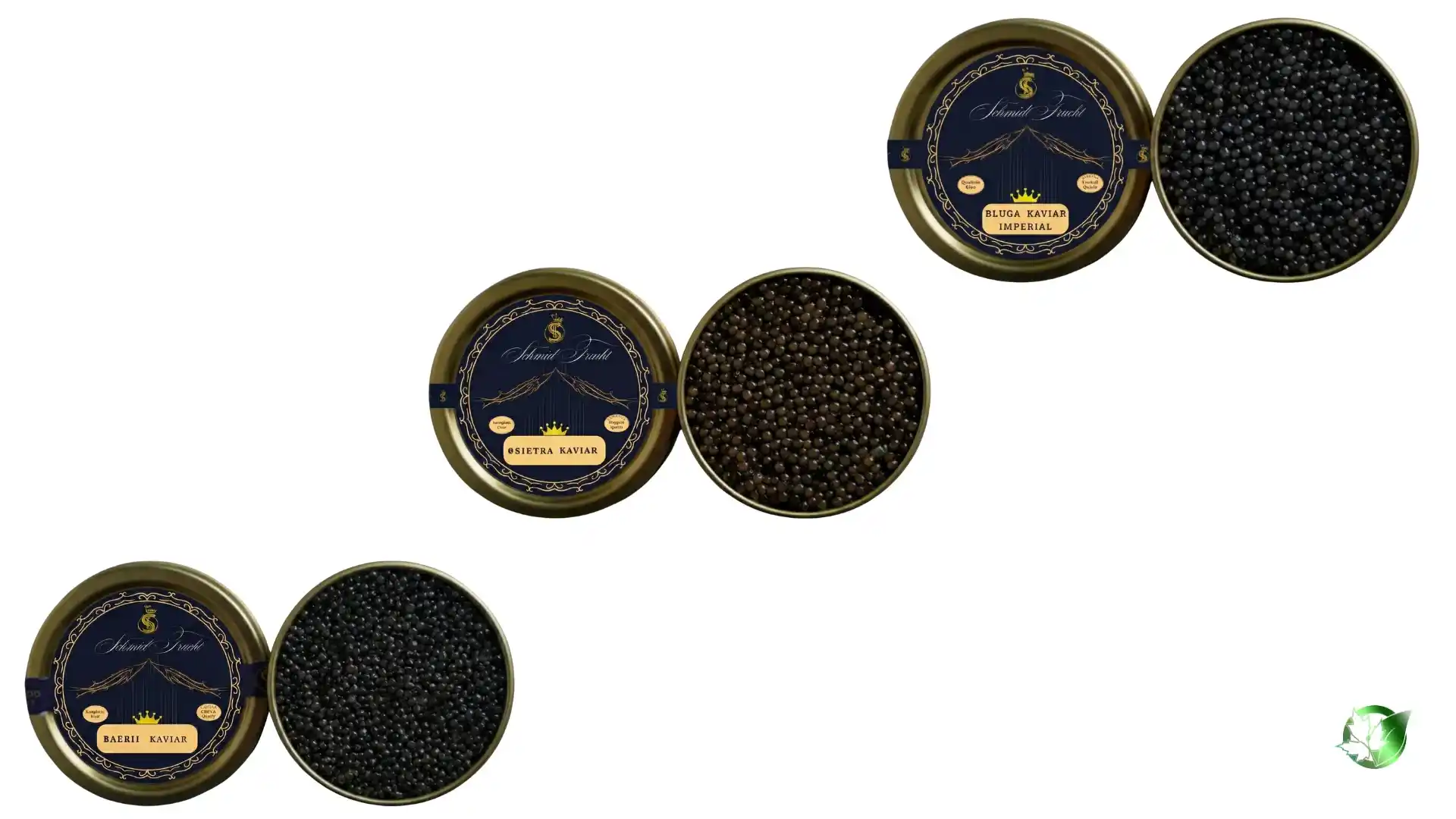
Caviar has long been considered one of the most luxurious delicacies in the world, synonymous with fine dining, exclusivity, and refined taste. Among the many varieties available today, three types consistently dominate conversations among chefs, distributors, and gourmet enthusiasts: Beluga, Osetra, and Baeri caviar. Each of these premium caviars comes from a different species of sturgeon, offering distinct characteristics in flavor, texture, appearance, and pricing.
Understanding the differences between Beluga, Osetra, and Baeri caviar is essential whether you are a restaurant owner, wholesaler, importer, or simply a connoisseur looking to make an informed purchase. Beyond taste, factors such as sustainability, availability, and wholesale cost play a significant role in choosing the right caviar.
In this comprehensive guide, we will explore everything you need to know about these three iconic caviar types. From their origins and flavor profiles to their grading systems and wholesale price ranges, this article is designed to help you navigate the world of premium caviar with confidence.
What Is Caviar and Why It Matters
Caviar refers specifically to the salt-cured eggs (roe) of sturgeon fish. True caviar must come from sturgeon species, primarily found in regions such as the Caspian Sea, Black Sea, and increasingly, sustainable aquaculture farms around the world.
The quality of caviar depends on several factors including:
- Species of sturgeon
- Age of the fish
- Environment (wild vs farmed)
- Processing techniques
- Salt content (Malossol being the highest quality)
Among all available types, Beluga, Osetra, and Baeri represent three distinct tiers in both luxury and accessibility.
Beluga Caviar: The Pinnacle of Luxury
Origin and Species
Beluga caviar comes from the Huso huso sturgeon, one of the largest and oldest sturgeon species in the world. Traditionally sourced from the Caspian Sea, Beluga sturgeon can take up to 20 years to mature, making their roe extremely rare and valuable.
Appearance and Texture
Beluga caviar is known for its large, delicate eggs, often measuring up to 3.5 mm in diameter. The color ranges from light silver-gray to almost black, with lighter shades generally considered more premium.
The texture is exceptionally soft and buttery. The eggs have a thin membrane, which allows them to burst effortlessly in the mouth.
Taste Profile
The flavor of Beluga caviar is subtle, creamy, and refined. It is often described as:
- Buttery and smooth
- Mildly nutty
- Slightly briny but not overpowering
- Exceptionally clean finish
Unlike stronger caviars, Beluga does not dominate the palate. Instead, it delivers a delicate and elegant experience.
Wholesale Price Range
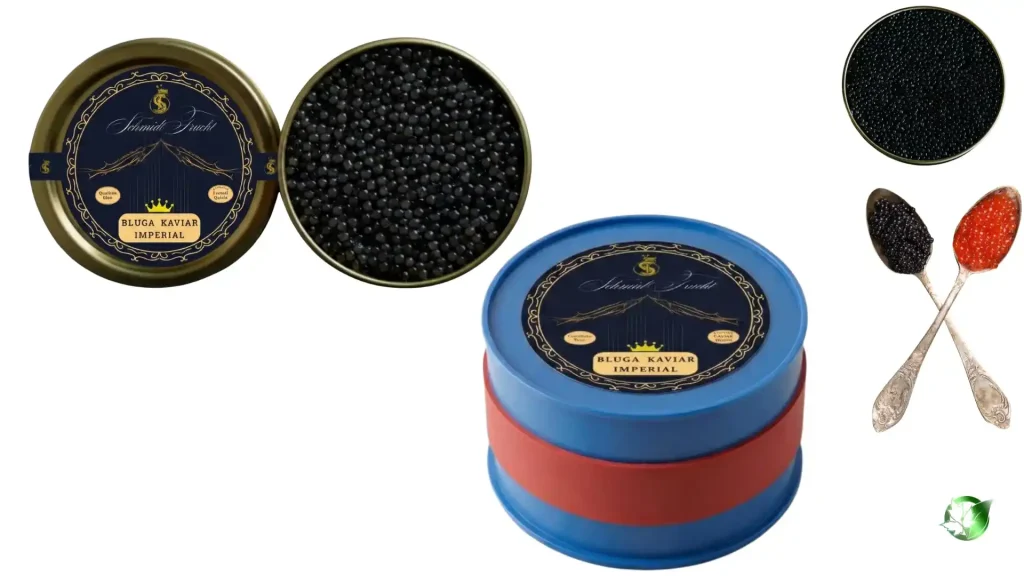
Beluga caviar is the most expensive type of caviar on the market due to its rarity and long maturation period.
Typical wholesale pricing (approximate):
- €4,000 to €8,000 per kilogram
- Premium grades can exceed €10,000 per kilogram
Prices vary based on origin, certification, and quality grading.
Key Selling Points
- Largest egg size
- Most luxurious and prestigious
- Mild, elegant flavor
- Extremely limited supply
Osetra Caviar: The Balanced Gourmet Choice
Origin and Species
Osetra caviar comes from the Acipenser gueldenstaedtii (Russian sturgeon). These fish mature faster than Beluga, typically within 8 to 12 years, making Osetra more accessible while still maintaining premium status.
Appearance and Texture
Osetra eggs are medium-sized, smaller than Beluga but larger than Baeri. They are known for their wide color variation, including:
- Golden
- Amber
- Brown
- Dark gray
Golden Osetra is especially prized and commands higher prices.
The texture is firm yet tender, providing a satisfying pop when eaten.
Taste Profile
Osetra caviar is celebrated for its rich and complex flavor profile. It offers:
- Nutty undertones
- Slightly briny taste
- Creamy but more pronounced than Beluga
- Long, lingering finish
Many chefs prefer Osetra because it strikes a balance between delicacy and intensity.
Wholesale Price Range
Osetra sits in the mid-to-high range of caviar pricing.
Typical wholesale pricing:
- €2,000 to €4,500 per kilogram
- Golden Osetra may reach €5,500+ per kilogram
Key Selling Points
- Balanced flavor profile
- Attractive color variations
- More availability than Beluga
- Excellent for fine dining and pairing
Origin and Species
Baeri caviar comes from the Acipenser baerii (Siberian sturgeon). This species adapts well to aquaculture, making it one of the most widely farmed sturgeons globally.
It matures relatively quickly, usually within 5 to 7 years, contributing to its affordability.
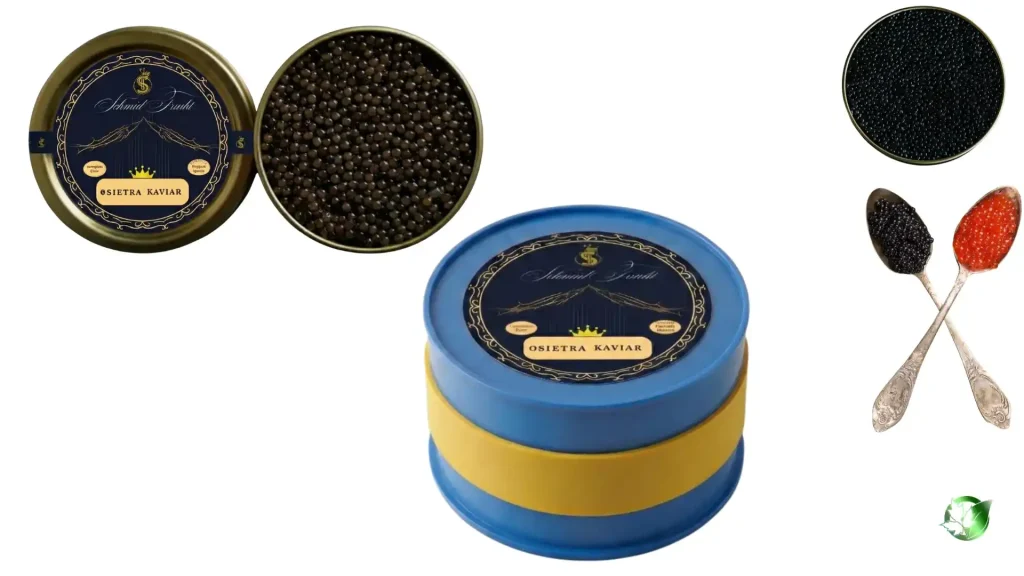
Appearance and Texture
Baeri eggs are smaller than both Beluga and Osetra. Their color typically ranges from:
- Dark gray
- Charcoal
- Black
The texture is firmer, with a noticeable pop when bitten.
Taste Profile
Baeri caviar offers a more robust and straightforward flavor compared to the other two:
- Stronger briny notes
- Earthy undertones
- Less creamy but more direct
- Slight mineral finish
It is often preferred in culinary applications where caviar is paired with other ingredients.
Wholesale Price Range
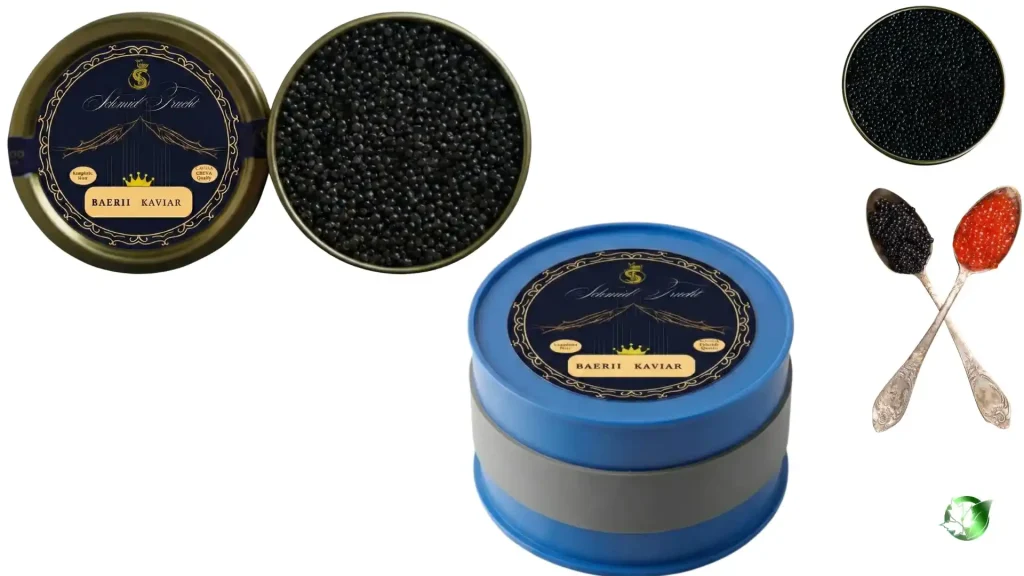
Baeri is the most affordable among the three.
Typical wholesale pricing:
- €800 to €1,800 per kilogram
This makes it an ideal entry-level premium caviar for restaurants and retailers.
Key Selling Points
- Affordable pricing
- Consistent quality
- Stronger flavor for versatile use
- Widely available
Key Differences Between Beluga, Osetra, and Baeri Caviar
Egg Size
- Beluga: Largest
- Osetra: Medium
- Baeri: Smallest
Flavor Intensity
- Beluga: Mild and delicate
- Osetra: Balanced and nutty
- Baeri: Bold and briny
Texture
- Beluga: Soft and buttery
- Osetra: Firm yet creamy
- Baeri: Firm and popping
Availability
- Beluga: Very rare
- Osetra: Moderately available
- Baeri: Widely available
Price
- Beluga: Highest
- Osetra: Mid-high
- Baeri: Affordable
Factors That Influence Wholesale Caviar Prices
Several factors impact the wholesale cost of caviar:
Species and Rarity
The rarer the sturgeon species and the longer it takes to mature, the higher the price.
Farming vs Wild
Wild caviar is heavily restricted due to conservation efforts. Most caviar today comes from farms, but high-quality farms can still produce premium-grade products.
Quality Grading
Caviar is graded based on:
- Egg size
- Color consistency
- firmness
- flavor
Higher grades command significantly higher prices.
Origin
Caviar from regions with strong reputations (such as Iran, Italy, and France) may cost more due to perceived quality.
Packaging and Certification
Traceability, sustainability certifications, and export regulations also affect pricing.
Which Caviar Is Best for Different Buyers
For Luxury Restaurants
Beluga is ideal for high-end tasting menus and exclusive experiences where price is less of a concern.
For Gourmet Dining
Osetra offers the best balance of luxury and flavor, making it a favorite among chefs.
For Retail and Catering
Baeri provides excellent value and versatility, suitable for larger-scale use.
Sustainability and Ethical Considerations
Due to overfishing and environmental concerns, many sturgeon species are protected. Sustainable aquaculture has become the primary source of caviar.
When sourcing caviar, look for:
- CITES certification
- Farm transparency
- Responsible harvesting practices
Choosing sustainable options not only protects endangered species but also ensures consistent supply for the future.
How to Store and Serve Caviar
Storage
- Keep at -2°C to +2°C
- Do not freeze
- Consume within a few days after opening
Serving Tips
- Serve chilled, not frozen
- Use non-metallic spoons (mother-of-pearl preferred)
- Pair with neutral bases like blinis or toast
Pairings
- Champagne
- Vodka
- Dry white wines
Conclusion
Beluga, Osetra, and Baeri caviar each represent a unique segment of the luxury food market. Beluga stands at the pinnacle with its unmatched delicacy and price, Osetra offers a harmonious balance of flavor and accessibility, and Baeri provides a reliable and affordable entry point into the world of fine caviar.
Choosing the right type depends on your priorities—whether it’s prestige, flavor complexity, or cost efficiency. For wholesalers, understanding these distinctions is crucial for targeting the right market segment and maximizing profitability.
As the caviar industry continues to evolve with sustainable practices and global demand, these three varieties remain the gold standard for quality and culinary excellence.
FAQ
What is the most expensive caviar?
Beluga caviar is the most expensive due to its rarity, large egg size, and long maturation period of the sturgeon.
Which caviar tastes the best?
Taste is subjective, but many consider Osetra to have the best balance of flavor, combining nuttiness with a creamy texture.
Why is Beluga caviar so rare?
Beluga sturgeon take up to 20 years to mature, and strict regulations limit their harvesting, making the caviar extremely scarce.
Is Baeri caviar good quality?
Yes, Baeri caviar is high quality and widely respected, especially for its consistency and affordability.
What is the difference between Malossol and regular caviar?
Malossol means “low salt” and indicates higher-quality caviar with minimal salt used to preserve the natural flavor.
Can caviar be frozen?
Freezing is not recommended as it damages the texture and reduces the quality of the eggs.
How long does caviar last after opening?
Once opened, caviar should be consumed within 2 to 3 days for optimal freshness.
Is farmed caviar as good as wild caviar?
High-quality farmed caviar can match or even exceed wild caviar in consistency, safety, and sustainability.
What is the best caviar for beginners?
Baeri caviar is often recommended for beginners due to its lower price and approachable flavor.
How is caviar graded?
Caviar grading is based on egg size, color, firmness, aroma, and taste. Higher grades are more uniform and flavorful.