How Restaurants and Hotels Choose the Best Caviar Suppliers

Introduction
Caviar has long been associated with luxury, exclusivity, and refined taste. In the world of high-end dining and hospitality, offering premium caviar is not just about adding a delicacy to the menu—it is about delivering an unforgettable experience that reflects prestige and quality. For upscale restaurants and luxury hotels, choosing the right caviar supplier is a critical decision that directly impacts brand reputation, guest satisfaction, and operational efficiency.
The process of selecting a caviar supplier is far more complex than simply finding the lowest price or the most famous brand. It involves evaluating product quality, sourcing practices, sustainability, logistics, consistency, certifications, and supplier relationships. Whether it’s a Michelin-starred restaurant or a five-star hotel, the stakes are high, and the margin for error is minimal.
In this comprehensive guide, we will explore in detail how restaurants and hotels choose their caviar suppliers, what factors influence their decisions, and how suppliers can position themselves to meet the demands of the luxury hospitality industry.
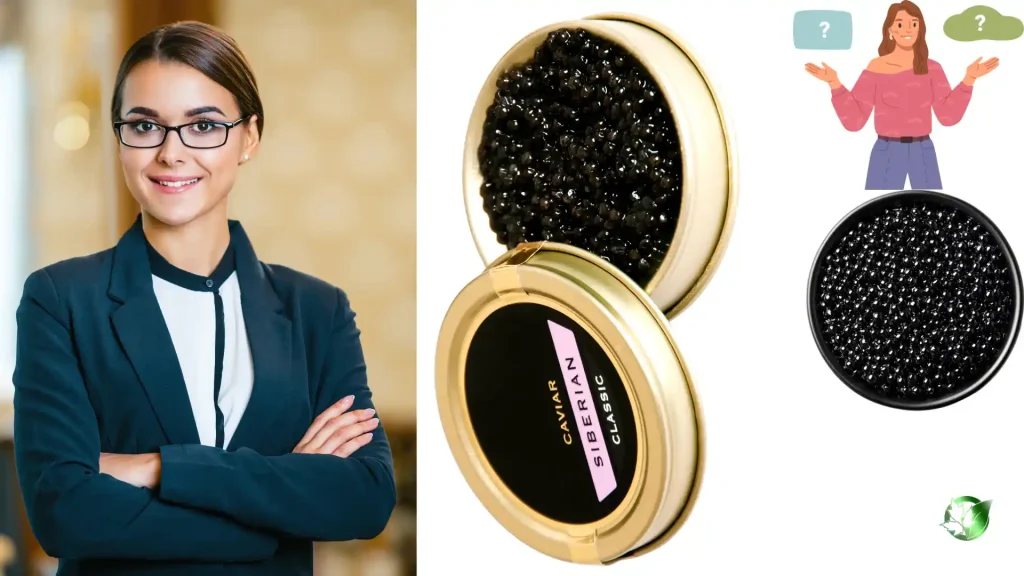
Understanding the Importance of Caviar in Hospitality
Caviar is more than just a food item; it is a symbol of sophistication and indulgence. For many guests, ordering caviar is tied to special occasions, celebrations, or a desire for a premium culinary experience.
Restaurants and hotels use caviar to:
- Elevate their menu offerings
- Differentiate themselves from competitors
- Enhance brand perception
- Increase average order value
- Attract high-end clientele
Because of its role, the quality and sourcing of caviar must align perfectly with the establishment’s standards.
Key Factors Restaurants and Hotels Consider When Choosing Caviar Suppliers
Quality and Freshness of Caviar
The most critical factor is undoubtedly quality. High-end establishments demand caviar that is fresh, properly handled, and consistent in flavor, texture, and appearance.
Buyers evaluate:
- Egg size and firmness
- Flavor profile (buttery, nutty, briny)
- Color uniformity
- Shelf life and packaging integrity
Suppliers who cannot guarantee consistent quality are quickly eliminated from consideration.
Source and Origin of Caviar
The origin of caviar significantly affects its taste and prestige. Restaurants often highlight the source on their menu, making it a key marketing element.
Popular sourcing regions include:
- Iran (historically premium wild caviar)
- Russia (traditional heritage)
- Italy, France, and Germany (leading in sustainable farmed caviar)
- China (large-scale production with varying quality tiers)
Luxury venues often prefer traceable, transparent sourcing that can be communicated to guests.
Sustainability and Ethical Practices
Sustainability has become a major concern in the hospitality industry. Overfishing and the endangerment of wild sturgeon have pushed many buyers toward farmed caviar.
Restaurants and hotels look for:
- Aquaculture practices that protect ecosystems
- Compliance with international regulations such as CITES
- Ethical treatment of sturgeon
- Environmental certifications
Suppliers who demonstrate sustainable practices gain a significant competitive advantage.
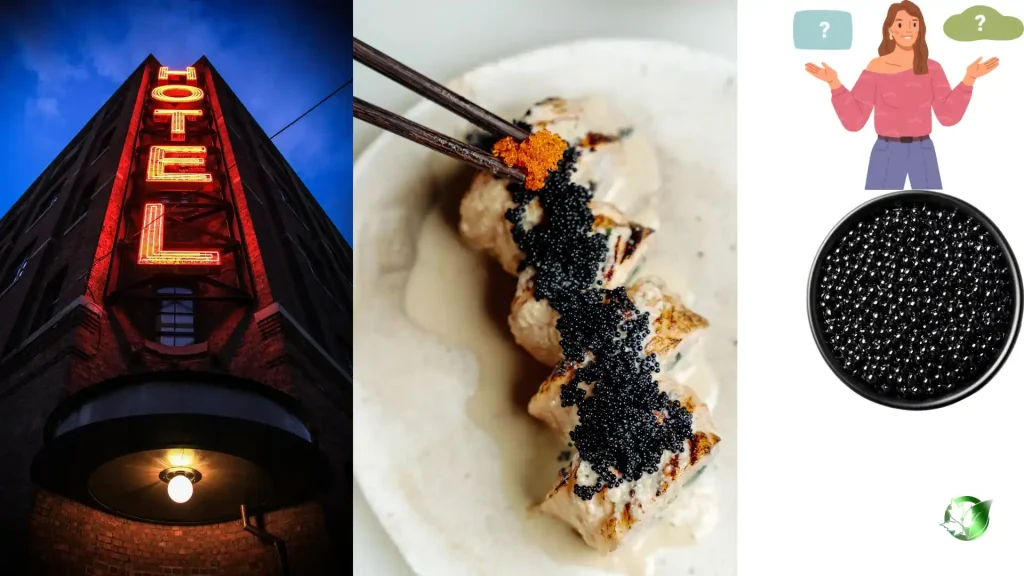
Certifications and Compliance
Reputable establishments require suppliers to meet strict regulatory and safety standards.
Important certifications include:
- CITES (Convention on International Trade in Endangered Species)
- HACCP (Hazard Analysis and Critical Control Points)
- ISO standards for food safety
- Organic or eco-certifications where applicable
Compliance ensures that the caviar is legally sourced and safe for consumption.
Consistency and Reliability
Consistency is essential for menu planning and guest expectations. A dish that tastes different each time can harm a restaurant’s reputation.
Buyers prioritize suppliers who can:
- Deliver consistent batches
- Maintain stable supply year-round
- Meet volume demands during peak seasons
Reliability in delivery schedules is just as important as product quality.
Pricing and Value
While luxury establishments are less price-sensitive, cost still matters. The goal is to achieve the best value, not necessarily the lowest price.
Buyers analyze:
- Price per gram relative to quality
- Bulk purchasing discounts
- Long-term pricing agreements
- Hidden costs such as shipping and storage
A supplier offering slightly higher prices but superior consistency and service is often preferred.
Logistics and Delivery Capabilities
Caviar is highly perishable and requires strict temperature control. Efficient logistics are crucial.
Key considerations include:
- Cold chain management
- Delivery speed and flexibility
- Packaging technology
- Ability to handle international shipping
Suppliers with strong logistics infrastructure are more attractive to global hotel chains.
Reputation and Brand Alignment
Luxury restaurants and hotels carefully protect their brand image. The supplier’s reputation must align with their own.
Buyers assess:
- Supplier history and credibility
- Client portfolio (other high-end establishments)
- Awards or industry recognition
- Brand storytelling and positioning
A well-known supplier can even enhance the perceived value of the menu.
Customization and Product Range
Top-tier hospitality venues often require tailored offerings.
Suppliers who provide:
- Different caviar grades (Beluga, Ossetra, Sevruga, etc.)
- Custom packaging
- Private labeling
- Portion customization
have a higher chance of securing long-term partnerships.
Customer Service and Relationship Management
In luxury hospitality, relationships matter. Buyers value suppliers who act as partners rather than just vendors.
Important aspects include:
- Responsiveness
- Flexibility in urgent situations
- Knowledge and training support
- Willingness to collaborate on menu development
Strong relationships often lead to long-term contracts.
The Supplier Evaluation Process
Initial Research and Shortlisting
Restaurants and hotels typically begin by researching potential suppliers through:
- Industry networks
- Trade shows
- Recommendations from chefs
- Online reputation and reviews
They create a shortlist based on credibility and product offerings.
Product Sampling and Tasting
Tasting is a crucial step. Executive chefs and procurement teams evaluate samples based on flavor, texture, and presentation.
Blind tastings are often conducted to ensure unbiased decisions.
Supplier Audits
High-end establishments may conduct audits to verify:
- Production facilities
- Hygiene standards
- Storage conditions
- Sustainability practices
This step ensures transparency and trust.
Trial Orders
Before committing to a long-term contract, buyers often place trial orders to evaluate:
- Delivery reliability
- Packaging quality
- Consistency across batches
Contract Negotiation
Once satisfied, both parties negotiate terms including:
- Pricing
- Delivery schedules
- Minimum order quantities
- Quality guarantees
Clear agreements reduce future risks.
Challenges in Choosing the Right Caviar Supplier
Market Saturation
The growing popularity of farmed caviar has led to an influx of suppliers, making it difficult to distinguish premium providers from average ones.
Price Fluctuations
Caviar prices can vary due to:
- Production cycles
- Global demand
- Regulatory changes
Buyers must balance cost stability with quality.
Counterfeit and Mislabeling Risks
Fraudulent labeling is a concern in the caviar industry. Establishments must verify authenticity to protect their reputation.
Supply Chain Disruptions
Global logistics challenges can affect availability and delivery timelines, especially for imported caviar.
Trends Influencing Supplier Selection
Rise of Sustainable Caviar
Eco-conscious dining is shaping purchasing decisions. Farmed, sustainable caviar is becoming the preferred choice.
Transparency and Traceability
Guests increasingly want to know where their food comes from. Suppliers offering full traceability gain trust.
Local Sourcing
Some restaurants prefer locally produced caviar to reduce carbon footprint and support regional producers.
Innovation in Packaging
Advanced packaging solutions that extend shelf life without compromising quality are highly valued.
How Suppliers Can Attract Restaurants and Hotels
To succeed in the hospitality market, caviar suppliers should:
- Maintain consistent, high-quality products
- Invest in sustainable aquaculture
- Build strong branding and storytelling
- Offer flexible pricing and customization
- Provide exceptional customer service
- Ensure reliable logistics and cold chain systems
Suppliers who position themselves as partners rather than just vendors are more likely to secure long-term contracts.
Conclusion
Choosing a caviar supplier is a strategic decision for restaurants and hotels that goes far beyond product selection. It involves a careful evaluation of quality, sustainability, reliability, logistics, and brand alignment. In a competitive hospitality landscape, the right supplier can enhance a venue’s reputation, elevate guest experiences, and contribute to long-term success.
As consumer expectations continue to evolve, transparency, sustainability, and consistency will remain at the forefront of supplier selection. Restaurants and hotels that invest time in choosing the right partners will ultimately stand out in delivering exceptional dining experiences.
FAQ
What is the most important factor when choosing a caviar supplier?
Quality and consistency are the most important factors. Without reliable quality, even the best branding or pricing cannot sustain a long-term partnership.
Why is sustainability important in caviar sourcing?
Sustainability protects endangered sturgeon species and aligns with modern consumer expectations for ethical and environmentally responsible products.
Do restaurants prefer wild or farmed caviar?
Most high-end establishments now prefer farmed caviar due to sustainability, legal compliance, and consistent availability.
How do hotels ensure the authenticity of caviar?
They work with certified suppliers, verify documentation such as CITES permits, and may conduct audits or request traceability records.
Is price the main deciding factor?
No, luxury restaurants and hotels prioritize value, quality, and reliability over the lowest price.
How often do restaurants change their caviar suppliers?
If a supplier consistently meets expectations, partnerships can last for years. However, inconsistency or quality issues may lead to changes.
Can small suppliers compete with large caviar brands?
Yes, especially if they offer superior quality, unique products, strong sustainability practices, and personalized service.
What role does logistics play in supplier selection?
A critical one. Proper cold chain management and timely delivery are essential to maintain caviar freshness and safety.