Top 10 Most Expensive Spices in the World and Why Saffron Is Number One
Spices have been treasured for centuries, not only for their ability to transform dishes but also for their rarity and cultural significance. From ancient trade routes to modern gourmet kitchens, certain spices have earned reputations as luxurious ingredients. Among these, saffron reigns supreme as the most expensive spice in the world. But what makes it so valuable, and which other spices come close in price?
In this comprehensive guide by Parsafood, we’ll explore the top 10 most expensive spices globally, delve into why saffron holds the number one spot, and show how these spices can enhance your culinary creations. This SEO-optimized article will give you both knowledge and inspiration for using these exquisite ingredients.
Why Some Spices Are So Expensive
The high cost of certain spices is influenced by several factors:
- Labor-Intensive Harvesting: Some spices require meticulous hand-picking.
- Scarcity and Climate: Limited growing regions make certain spices rare.
- Processing Time: Some spices take months to cultivate, dry, or cure.
- Culinary Demand: High demand from gourmet kitchens and luxury markets drives up prices.
Understanding these factors helps explain why saffron, vanilla, and other spices command such high prices.
1. Saffron – The King of Spices
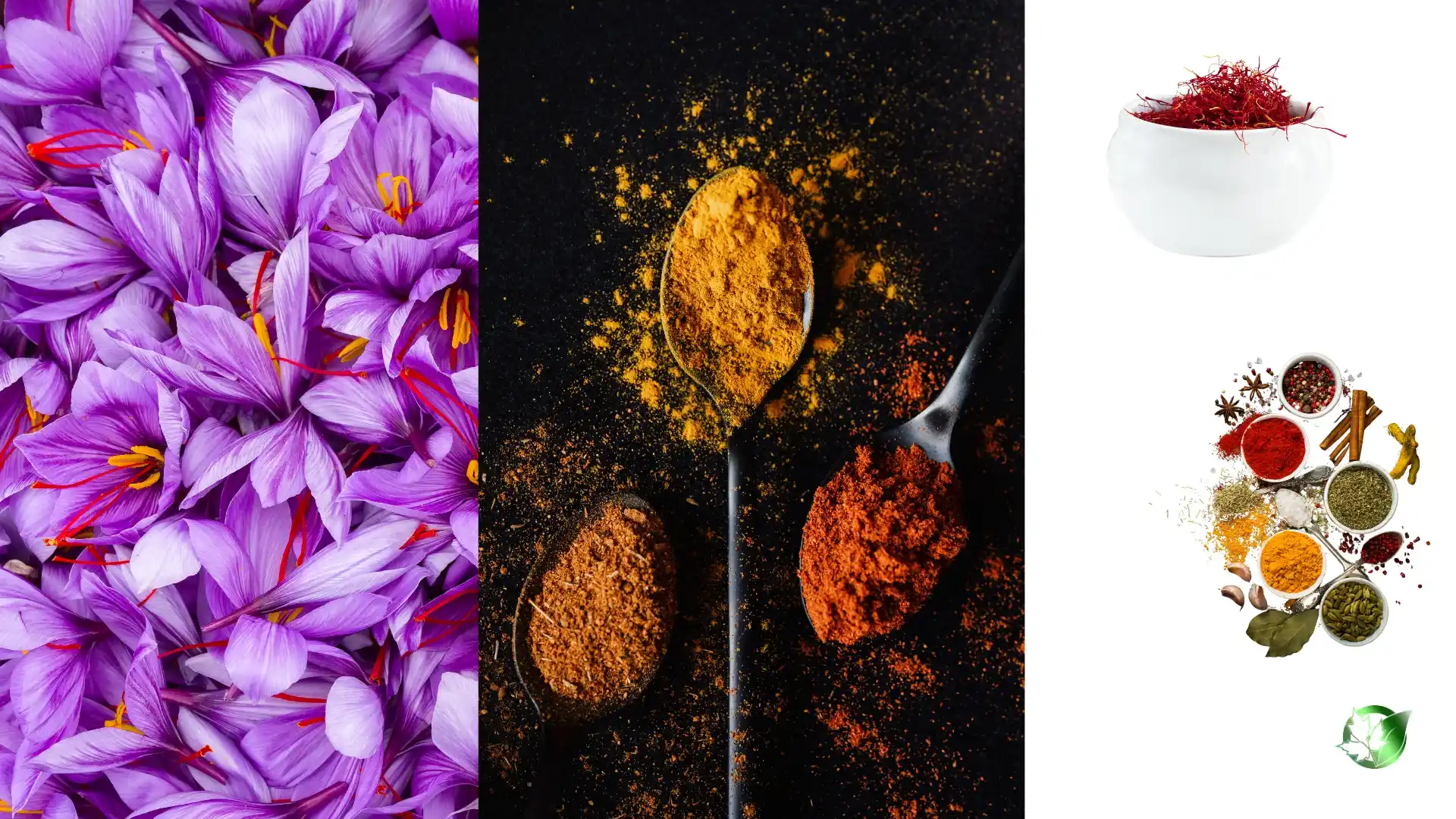
Saffron is made from the stigma of the Crocus sativus flower. It takes over 150,000 flowers to produce just one kilogram of saffron, making it labor-intensive and extremely rare.
Why Saffron Is So Expensive
- Each flower produces only three red stigmas.
- Harvesting is entirely manual.
- The spice requires careful drying to preserve aroma and color.
- Its culinary and medicinal value is unparalleled.
Saffron’s distinctive golden color, subtle aroma, and unique flavor make it essential in gourmet dishes worldwide, from Persian saffron rice to Spanish paella. Its rarity and production demands explain why it is the most expensive spice by weight.
2. Vanilla Beans – Nature’s Sweet Gold
Vanilla comes from the pods of the Vanilla planifolia orchid, primarily grown in Madagascar, Mexico, and Tahiti.
What Makes Vanilla Costly
- Hand-pollination is required in most regions.
- Pods need months to cure after harvesting.
- Limited suitable growing climates.
Vanilla’s sweet and aromatic flavor makes it essential in desserts, chocolates, and beverages, and its labor-intensive cultivation justifies its high price.
3. Cardamom – The Queen of Spices
Cardamom, often called the “queen of spices,” comes in green and black varieties and is cultivated mainly in India, Guatemala, and Sri Lanka.
Factors Driving Cardamom Prices
- Harvesting pods requires careful timing.
- Labor-intensive processing.
- Highly sought after in both sweet and savory dishes globally.
Cardamom is used in chai, baked goods, and spice blends, adding a unique citrusy and aromatic flavor.
4. Cloves – Aromatic Gems
Cloves are dried flower buds of the Syzygium aromaticum tree, mostly grown in Indonesia, Madagascar, and Tanzania.
Why Cloves Are Expensive
- Handpicked at precise blooming stages.
- Each bud must be carefully dried to retain aroma.
Cloves have a warm, sweet, and slightly bitter flavor, perfect for both cooking and medicinal use.
5. Cinnamon – Ancient Spice of Kings
True cinnamon, or Ceylon cinnamon, comes from the bark of Cinnamomum verum trees in Sri Lanka.
- Harvesting bark is labor-intensive.
- High-quality “true cinnamon” is less common than cassia.
- It offers subtle, delicate flavors compared to cheaper alternatives.
Cinnamon enhances desserts, beverages, and savory dishes and is cherished for its sweet-spicy aroma.
6. Mace – The Subtle Companion of Nutmeg
Mace is the dried aril of the nutmeg seed and is less well-known than nutmeg itself but often more expensive.
Reasons for Mace’s High Price
- Labor-intensive harvesting.
- Requires careful separation from the nutmeg seed.
- Limited growing regions.
Mace has a delicate, slightly sweet flavor that enhances baked goods, sauces, and beverages.
7. Black Pepper – The King of Condiments
Black pepper is one of the most widely used spices but remains expensive in premium grades.
Factors Affecting Black Pepper Price
- Selective handpicking of berries.
- Drying and curing to achieve ideal aroma.
- High demand worldwide.
Its sharp, pungent flavor has made black pepper indispensable in both home and professional kitchens.
8. Chili – The Heat of High-Quality Peppers
High-end chili varieties, such as Kashmiri or Bird’s Eye chilies, are expensive due to their flavor, color, and scarcity.
Why Some Chilies Are Costly
- Small yields per plant.
- Specific climate requirements.
- Labor-intensive harvesting.
They provide heat, color, and depth to dishes, making them prized in gourmet cooking.
Turmeric is widely grown in India but certain premium varieties, like Alleppey turmeric, are costly.
Why Turmeric Can Be Expensive
- Hand-harvesting of roots.
- Sun-drying and curing process.
- Unique flavor, color, and medicinal properties.
Turmeric adds golden color, earthy flavor, and health benefits to dishes.
10. Nutmeg – Warm and Aromatic Spice
Nutmeg comes from the seed of the Myristica fragrans tree, cultivated mainly in Indonesia and Grenada.
Reasons Nutmeg Commands a High Price
- Hand-harvesting and shelling of seeds.
- Limited global cultivation areas.
- Unique sweet-spicy aroma.
Nutmeg is a classic addition to baked goods, sauces, and beverages.
How Saffron Outshines All Other Spices
While other spices like vanilla, cardamom, and cloves are valuable, saffron remains unparalleled due to:
- Extreme labor intensity
- Unmatched culinary and medicinal value
- Symbolic prestige and luxury
- High concentration of aroma, flavor, and color in minimal amounts
Even a few grams of saffron can elevate a dish, making it an investment in both taste and elegance.
Tips for Using Expensive Spices Wisely
When dealing with high-cost spices:
- Use sparingly to maximize flavor.
- Store in airtight containers away from sunlight.
- Buy from trusted suppliers like Parsafood to ensure authenticity.
- Experiment with recipes that highlight their unique qualities.
Proper use ensures you enjoy the full benefit of these luxurious ingredients.
Cooking and Pairing Ideas for Top Spices
- Saffron: Persian rice, risotto, paella, desserts
- Vanilla: Cakes, custards, ice creams, coffee
- Cardamom: Chai, baked goods, spice blends
- Cloves: Mulled wine, curries, marinades
- Cinnamon: Oatmeal, pastries, beverages
- Mace: Soups, sauces, baked goods
- Black Pepper: Meat, vegetables, sauces
- Chili: Curries, hot sauces, roasted dishes
- Turmeric: Curries, rice, golden milk
- Nutmeg: Pies, sauces, béchamel
Conclusion: The Value of Culinary Luxury
Spices are more than just ingredients—they are history, culture, and art in culinary form. While each of the top 10 spices offers unique flavors and aromas, saffron’s rarity, labor-intensive harvesting, and unmatched culinary value make it the undisputed king.
Incorporating these high-quality spices into your cooking elevates ordinary meals to gourmet experiences. For those seeking authenticity and excellence, Parsafood provides premium spices that deliver both taste and luxury.
FAQ: Most Expensive Spices and Their Use
Why is saffron the most expensive spice in the world?
Due to labor-intensive harvesting, rarity, and its powerful flavor and aroma.
Are all types of vanilla expensive?
Madagascar and Tahitian vanilla are premium, while synthetic or mass-produced vanilla is cheaper.
Can I use cardamom in both sweet and savory dishes?
Yes, cardamom is versatile and enhances desserts, drinks, and curries.
Is black pepper still expensive?
Premium black pepper, especially handpicked or organically grown, can be costly.
How should I store expensive spices?
Store in airtight containers away from heat and light to maintain aroma and flavor.
Can I use saffron in desserts?
Absolutely, saffron is ideal for desserts, drinks, and savory dishes alike.
What makes cloves more valuable than other spices?
Their labor-intensive harvesting and aromatic potency increase their market value.
Are high-end chilies worth the price?
Yes, their unique heat, flavor, and color justify the cost.
Can I use turmeric daily?
Yes, especially premium turmeric varieties, for both culinary and health benefits.
Trusted suppliers like Parsafood offer verified high-quality spices to ensure authenticity.