How to Buy Saffron in Bulk: Ultimate Guide for Importers and Businesses
Introduction
Saffron, often referred to as “red gold,” is one of the most valuable spices in the world. Its unique aroma, vibrant color, and medicinal properties make it a highly sought-after ingredient across industries—from food production and pharmaceuticals to cosmetics and luxury goods. For importers and businesses, buying saffron in bulk can be a highly profitable venture, but it also comes with challenges such as quality control, pricing fluctuations, and supplier reliability.
This comprehensive guide will walk you through everything you need to know about buying saffron in bulk. From understanding quality grades and sourcing strategies to negotiating prices and ensuring compliance with international standards, this article is designed to help you make informed, profitable decisions.
Why Buy Saffron in Bulk?
Purchasing saffron in bulk offers several advantages for businesses:
Cost Efficiency
Buying in larger quantities significantly reduces the price per gram. Suppliers often provide tiered pricing, meaning the more you buy, the lower your cost.
Consistent Supply
Bulk purchasing ensures you always have enough stock to meet customer demand, especially important for food manufacturers and exporters.
Better Profit Margins
Lower procurement costs translate directly into higher margins when selling saffron in retail or wholesale markets.
Stronger Supplier Relationships
Regular bulk orders help build long-term partnerships with suppliers, which can lead to better pricing, priority access, and customized services.
Understanding Saffron Quality Grades
Before making any purchase, it’s crucial to understand saffron grading systems. Quality determines not only price but also customer satisfaction and brand reputation.
ISO 3632 Standard
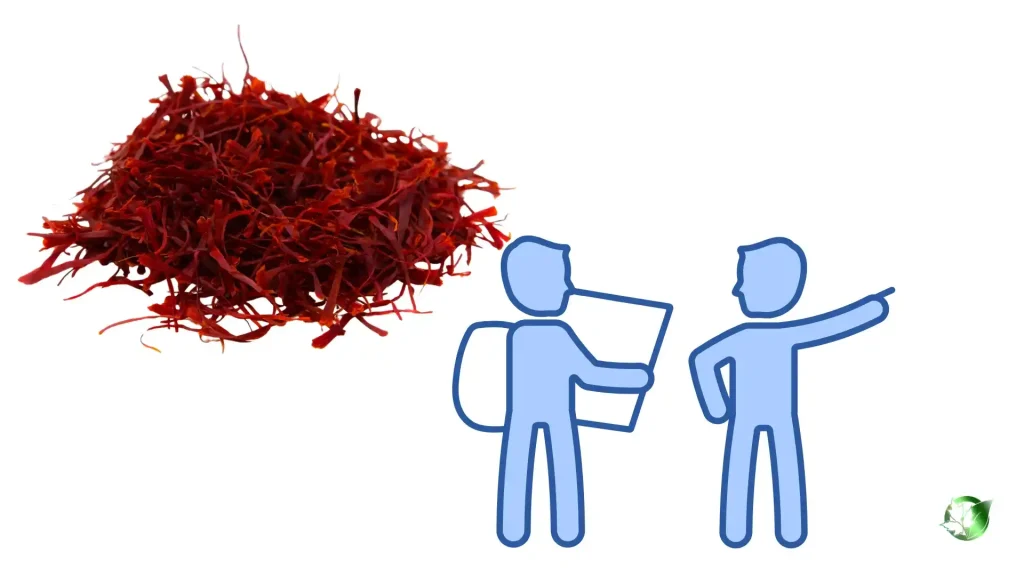
The international standard for saffron classification is ISO 3632, which evaluates saffron based on three main factors:
- Crocin (color strength)
- Safranal (aroma)
- Picrocrocin (flavor)
Based on these factors, saffron is categorized into:
- Grade I (highest quality)
- Grade II
- Grade III
Types of Saffron Threads
Sargol
All-red stigmas with no yellow or white parts. This is the highest quality and most expensive type.
Negin
Long, thick, and fully red threads with excellent appearance and strong coloring power.
Pushal
Contains red stigmas along with some yellow parts. Slightly lower quality but more affordable.
Bunch (Dasteh)
Threads are tied together, including both red and yellow parts. Typically used in traditional markets.
Key Factors to Consider When Buying Bulk Saffron
Origin of Saffron
The origin plays a major role in quality and price. Different regions produce saffron with distinct characteristics.
- Iranian saffron is known for high crocin levels and strong coloring power.
- Afghan saffron is gaining popularity for its organic cultivation.
- Spanish saffron is often marketed as premium but usually comes at a higher price.
Harvesting and Processing
Saffron is hand-harvested, and improper handling can significantly reduce quality. Ensure that:
- Flowers are picked early in the morning
- Stigmas are separated carefully
- Drying is done under controlled conditions
Purity and Adulteration
Saffron is often subject to fraud. Common adulteration methods include:
- Mixing with dyed corn silk or safflower
- Adding artificial colorants
- Increasing weight with moisture or oil
Always request lab test reports and certifications to verify purity.
Packaging
Proper packaging preserves freshness and prevents contamination. Look for:
- Airtight containers
- UV-protected packaging
- Food-grade materials
Where to Source Bulk Saffron
Direct from Farmers
Buying directly from farmers can reduce costs but requires strong local connections and quality inspection capabilities.
Export Companies
Exporters offer standardized quality, certifications, and logistics support, making them ideal for international buyers.
Wholesale Markets
Local and international spice markets provide access to multiple suppliers, allowing price comparison.
Online B2B Platforms
Platforms like Alibaba or specialized spice marketplaces can connect you with global suppliers, but due diligence is essential.
How to Verify Saffron Quality
Visual Inspection
High-quality saffron should have:
- Deep red color
- Uniform thread size
- No broken or powdery pieces
Aroma Test
Authentic saffron has a strong, sweet aroma with honey-like notes. A chemical or metallic smell indicates poor quality.
Water Test
When placed in warm water:
- Pure saffron releases color slowly
- Threads retain their shape
- Artificial saffron releases color instantly and fades quickly
Laboratory Testing
For bulk purchases, always request lab analysis for:
- Crocin levels
- Moisture content
- Microbial contamination
Pricing of Bulk Saffron
Factors Affecting Price
- Quality grade
- Origin
- Harvest season
- Global supply and demand
- Currency exchange rates
Average Price Range
Bulk saffron prices can vary widely, but generally:
- Premium grades command the highest prices
- Lower grades are more affordable but less potent
Negotiation Tips
- Compare multiple suppliers
- Request samples before large orders
- Negotiate based on volume
- Establish long-term contracts for better pricing
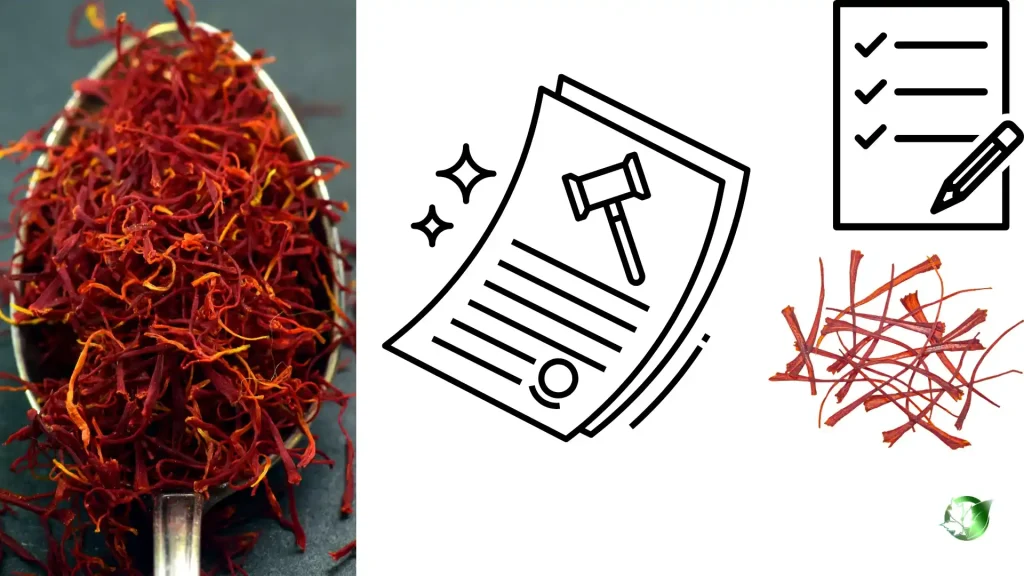
Import Regulations and Documentation
Required Documents
When importing saffron, you may need:
- Certificate of origin
- Phytosanitary certificate
- Quality inspection certificate
- Commercial invoice and packing list
Customs and Duties
Each country has different import duties and regulations. Research local laws to avoid delays and penalties.
Food Safety Compliance
Ensure compliance with:
- FDA regulations (for the U.S.)
- EU food safety standards
- Local health authority requirements
Storage and Handling of Bulk Saffron
Ideal Storage Conditions
- Cool and dry environment
- Away from direct sunlight
- Airtight containers
Shelf Life
Properly stored saffron can last up to 2–3 years, but its potency gradually decreases over time.
Inventory Management
Use a first-in, first-out (FIFO) system to maintain freshness and minimize waste.
Common Mistakes to Avoid
Ignoring Quality Standards
Low-quality saffron may be cheaper but can damage your brand reputation.
Not Testing Samples
Always test before committing to large orders.
Overlooking Logistics Costs
Shipping, insurance, and customs fees can significantly impact total cost.
Choosing Unverified Suppliers
Work only with reputable and certified suppliers.
Building a Reliable Supply Chain
Supplier Evaluation
- Check certifications
- Review customer feedback
- Request references
Long-Term Partnerships
Developing strong relationships with suppliers ensures:
- Consistent quality
- Better pricing
- Priority service
Diversification
Avoid relying on a single supplier. Work with multiple sources to reduce risk.
Marketing and Selling Bulk Saffron
Target Markets
- Food manufacturers
- Restaurants and catering businesses
- Pharmaceutical companies
- Cosmetic brands
Branding Strategies
- Highlight origin and quality
- Use attractive packaging
- Provide certifications and lab reports
Online Sales Channels
- E-commerce websites
- B2B marketplaces
- Social media marketing
Conclusion
Buying saffron in bulk can be a highly profitable business opportunity when approached strategically. Understanding quality grades, verifying authenticity, choosing reliable suppliers, and complying with import regulations are all essential steps in ensuring success.
By investing time in research and building strong supplier relationships, businesses can secure high-quality saffron at competitive prices and establish a strong presence in the global market. Whether you are an importer, distributor, or manufacturer, following the guidelines in this article will help you minimize risks and maximize returns.
FAQ
What is the best type of saffron for bulk purchase?
The best type depends on your target market, but Sargol and Negin are considered the highest quality and are ideal for premium products.
How can I ensure saffron is not fake?
Request lab tests, perform visual and aroma checks, and work with certified suppliers to ensure authenticity.
What is the minimum order quantity for bulk saffron?
This varies by supplier but typically ranges from 1 kg to several kilograms.
How should saffron be stored after purchase?
Store saffron in airtight containers in a cool, dark, and dry place to maintain its quality.
Is it better to buy directly from farmers or exporters?
Exporters are generally more reliable for international trade, as they provide certifications and handle logistics.
How long does saffron last?
Saffron can last up to 2–3 years if stored properly, though its potency may decrease over time.
What certifications should I look for?
Look for ISO certification, organic certification (if required), and laboratory test reports confirming quality and purity.