

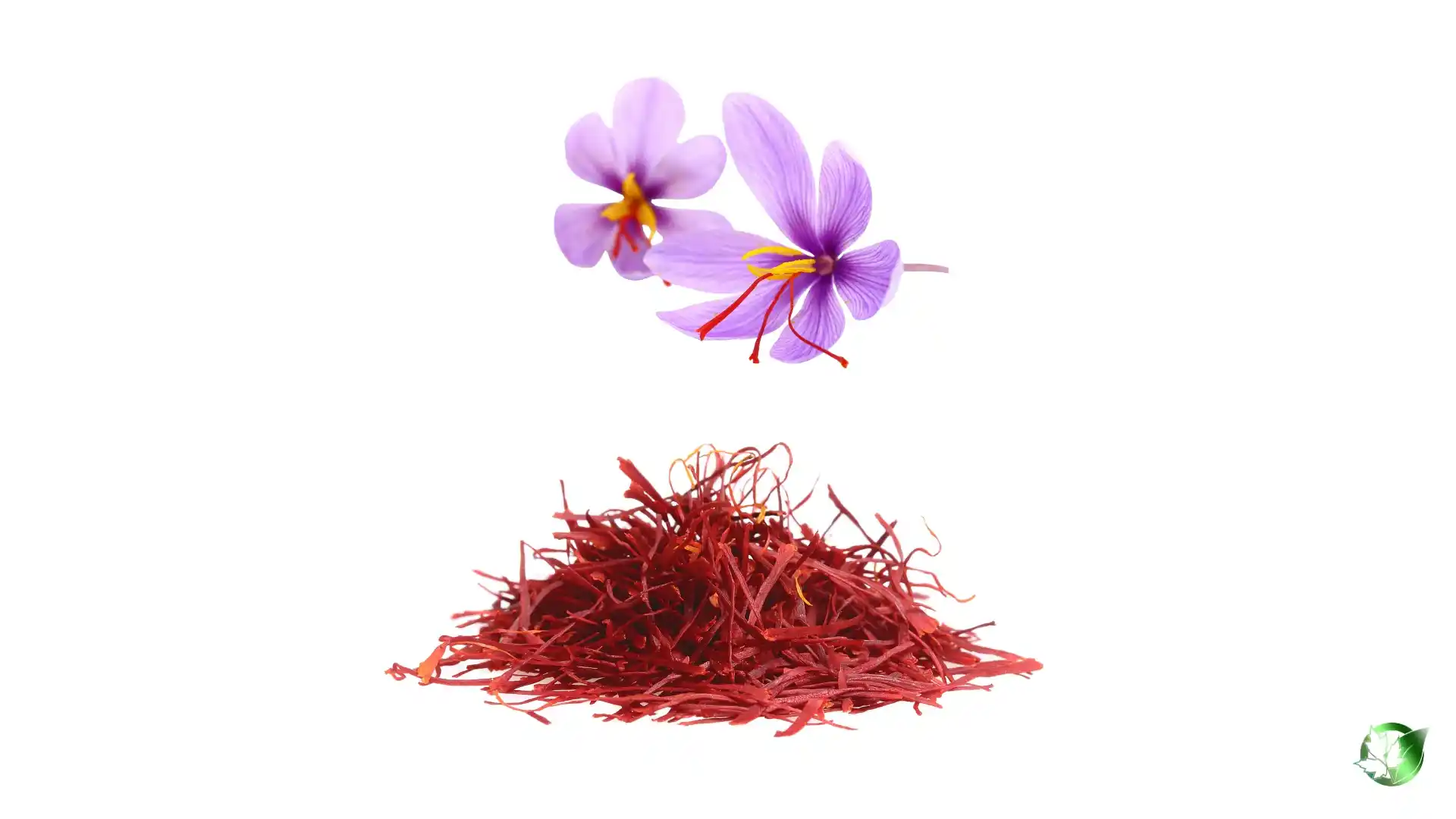
Bulk Iranian saffron has captivated chefs, traders, and connoisseurs around the world for centuries. Known as the red gold of Persia, this remarkable spice is cherished for its vibrant hue, intoxicating aroma, and unique flavor. From the highlands of Khorasan to fine dining tables across Europe, Iranian saffron continues to represent purity, craftsmanship, and authenticity.
Today, Iran remains the leading producer and exporter of saffron, supplying more than 90% of the global market. This article explores every aspect of this extraordinary spice its ancient origins, cultivation process, varieties, culinary and medicinal applications, and the expanding global trade led by Iranian saffron suppliers and wholesalers. Whether you’re a gourmet chef, importer, or food manufacturer, understanding the story behind Iranian saffron helps you appreciate its unmatched value.
History of Iranian Saffron
The story of saffron begins thousands of years ago in ancient Persia. Historical texts and archaeological evidence reveal that saffron cultivation in Iran dates back over 3,000 years. The northeastern province of Khorasan known for its dry climate and fertile soil has long been the beating heart of saffron production.
Saffron was treasured in ancient Persian palaces and temples. It colored royal garments, flavored ceremonial dishes, and infused perfumes for the nobility. As the Persian Empire expanded, saffron traveled along the Silk Road to China, India, and the Mediterranean, becoming one of the most sought-after spices in the world.
Even today, the cultural legacy remains strong. Persian families continue to use saffron in celebrations, weddings, and spiritual rituals, symbolizing joy, purity, and prosperity.

Cultivation and Production Techniques
Cultivation and Production Process
Growing saffron requires both art and patience. The Crocus sativus plant is delicate and thrives only in specific conditions. Iran’s eastern provinces particularly Khorasan Razavi, South Khorasan, and North Khorasan offer the perfect environment.
Key Conditions for Bulk Iranian saffron Production
-
Climate: Semi-arid regions with hot summers and cold winters.
-
Soil: Well-drained, sandy-loam soil enriched with organic matter.
-
Water: Minimal irrigation saffron thrives on limited moisture.
Each saffron flower produces only three red stigmas, which are handpicked during the early hours of dawn. Harvesting typically takes place in late October and November. Workers carefully separate the threads and dry them under controlled conditions to preserve aroma and color.
The process is incredibly labor-intensive over 150,000 flowers are needed to produce a single kilogram of saffron. This dedication and craftsmanship explain why bulk Iranian saffron commands such respect in international markets.orldwide.
Varieties and Quality of Iranian Saffron
IranVarieties and Quality Grades
Iranian saffron is classified into several types based on appearance, color strength, and aroma intensity.
-
Sargol (All-Red): The purest form, containing only the red stigmas. It offers the strongest color and fragrance.
-
Pushal: Contains part of the yellow style attached to the stigma. Slightly less potent but still aromatic.
-
Bunch (Dasteh): The full thread, including style and stigma, often used for decorative packaging.
-
Negin: A premium variation of Sargol with longer, thicker threads and brilliant color highly valued in the export market.
According to ISO 3632 standards, Iranian saffron consistently ranks at the highest levels for crocin (color), picrocrocin (taste), and safranal (aroma), confirming its global superiority.
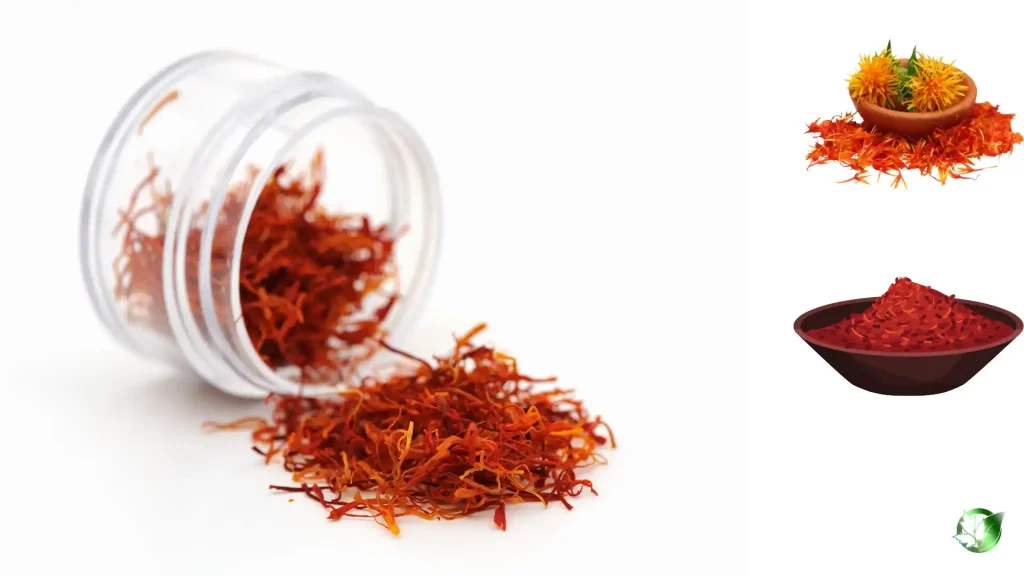
Culinary Uses of Bulk Iranian Saffron
Saffron’s rich flavor and golden hue make it indispensable in PersiaNo other spice transforms a dish quite like saffron. Its floral notes, deep golden hue, and subtle sweetness make it an essential ingredient in Persian cuisine.
In Iran, saffron enhances iconic dishes such as:
-
Zereshk Polo: Barberry rice served with saffron and chicken.
-
Sholeh Zard: Fragrant rice pudding infused with saffron and rosewater.
-
Tahchin: Saffron rice cake layered with yogurt and meat or vegetables.
Beyond Iran, chefs across the globe use saffron to elevate Spanish paella, Italian risotto, French bouillabaisse, and Indian biryani. When you buy bulk Iranian saffron, you invest in versatility a single pinch can transform both savory and sweet recipes into culinary masterpieces.
Medicinal and Therapeutic Benefits
Iranian saffron’s medicinal value is recognized in both traditional and modern medicine. Key health bFor centuries, Persian healers praised saffron for its therapeutic power. Modern science now confirms what ancient medicine knew all along: saffron offers remarkable health benefits.
-
Mood Enhancement: Natural compounds like crocin and safranal support serotonin production, helping reduce anxiety and mild depression.
-
Antioxidant Properties: Neutralizes free radicals, protecting cells from damage.
-
Digestive Health: Aids in digestion and may reduce bloating.
-
Anti-inflammatory Effects: Helps ease chronic pain and improve overall wellness.
These properties have made Iranian saffron wholesale products increasingly popular among health brands and supplement manufacturers seeking natural, premium-quality ingredients.
Iranian Saffron Suppliers
Iran’s saffron industry thrives thanks to a network of experienced suppliers who bridge the gap between local farmers and global buyers. Reliable Iranian saffron suppliers emphasize transparency, purity, and ethical sourcing.
When selecting a supplier, international buyers should look for:
-
ISO or HACCP certification ensuring quality control.
-
Direct farm sourcing from regions like Khorasan for authenticity.
-
Proper packaging that preserves freshness during long transport.
-
Competitive bulk pricing for distributors and retailers.
Leading suppliers work closely with cooperatives of farmers, ensuring that every batch of saffron meets export standards. This collaboration maintains Iran’s long-standing reputation as the world’s saffron capital.
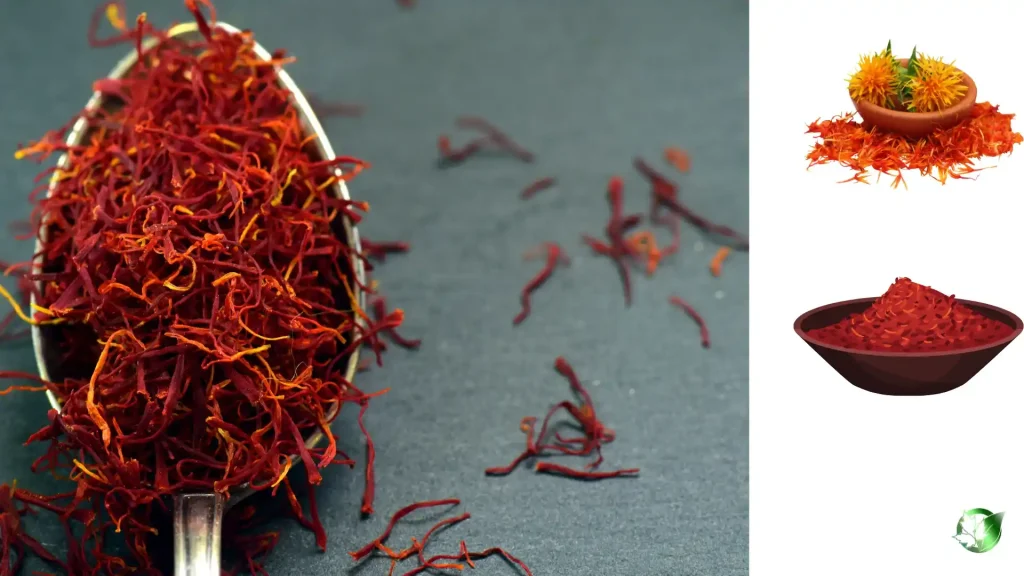
Iranian Saffron Wholesale
The Iranian saffron wholesale market caters to importers, distributors, and businesses in the food, pharmaceutical, and cosmetic industries. Buyers who purchase saffron in bulk often enjoy significant cost advantages while accessing premium quality.
Why Choose Iranian Saffron Wholesale:
-
Consistent Quality: Uniform color, aroma, and thread length.
-
Authentic Origin: Guaranteed product from Iranian farms.
-
Flexible Quantities: Available in small or large bulk packaging.
-
Customization: Private labeling and branding options for international resellers.
Whether you are a food brand in Europe, a tea producer in Asia, or a cosmetic manufacturer in the Middle East, Iranian wholesalers offer tailored solutions for every market need. Their professionalism and adherence to global trade regulations make Iran the most trusted source of saffron worldwide..
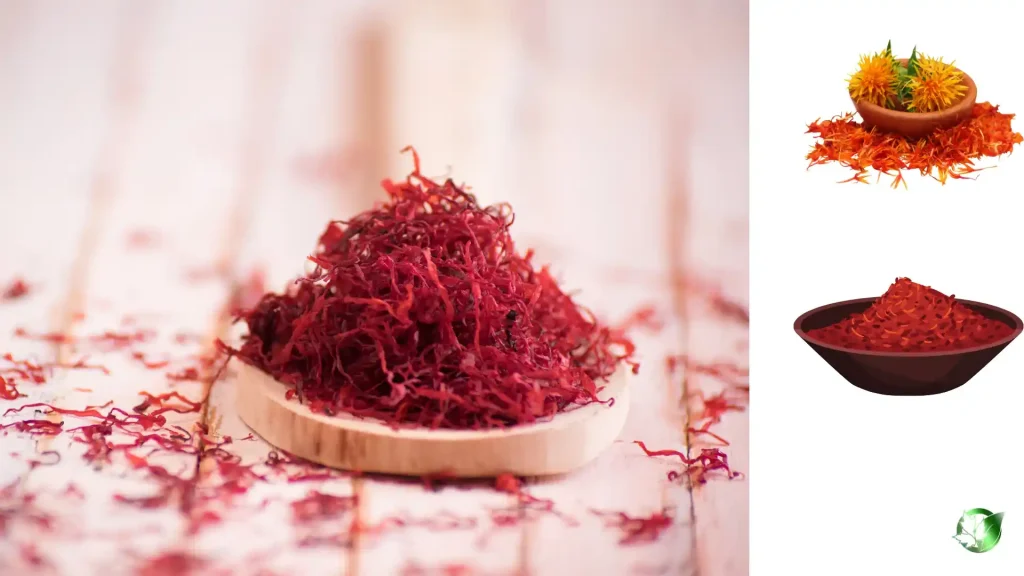
Comparison with Other Saffron-Producing Countries
|
Feature
|
Iranian Saffron
|
Spanish Saffron
|
Indian Saffron
|
|---|---|---|---|
|
Production Volume
|
90% of global supply
|
Moderate
|
Limited
|
|
Color and Aroma
|
Deep and strong
|
Mild
|
Shorter threads
|
|
Culinary Uses
|
Versatile
|
Mostly for paella
|
Sweets & rice
|
|
Medicinal Value
|
High
|
Moderate
|
Traditional
|
|
Price
|
Premium
|
Moderate
|
Variable
|
This comparison confirms that bulk Iranian saffron remains the global gold standard for both culinary and medicinal use.
Storage and Shelf Life
To preserve freshness and potency:
-
Store saffron in airtight containers.
-
Keep it in a cool, dark place, away from sunlight.
-
Avoid moisture exposure.
When stored properly, Iranian saffron maintains its vibrant color and aroma for up to two years, though it is best used within the first year.
FAQ Schema
Q1: What makes Iranian saffron superior to others?
A1: Its deep red threads, powerful aroma, and rich crocin and safranal content make it unmatched in quality.
Q2: How should bulk Iranian saffron be stored?
A2: Keep in airtight, light-proof containers at room temperature to preserve quality.
Q3: Can saffron be used medicinally?
A3: Yes, it has proven antioxidant, mood-enhancing, and anti-inflammatory properties.
Q4: Who are reliable Iranian saffron suppliers?
A4: Reputable exporters from the Khorasan region with ISO certification and transparent sourcing.
Q5: How long does Iranian saffron stay fresh?
A5: Up to two years, though best quality is within the first 12 months.
Conclusion
From ancient Persian palaces to modern gourmet kitchens, bulk Iranian saffron remains the symbol of excellence and authenticity. Every thread carries a story of craftsmanship, patience, and cultural pride.
Whether sourced through trusted Iranian saffron suppliers or purchased in wholesale quantities, Persian saffron continues to set the global benchmark for luxury spices. Its deep red color, captivating aroma, and health-promoting qualities make it far more than just a flavoring — it is a legacy of Iran’s artistry, passed down through generations.
In every sense, Iranian saffron is not just a product it’s an experience. And for those who seek the best, it will always be the true “red gold” of the world.


Reviews
There are no reviews yet.